
Why Paper Grain Matters (Especially for Non-A4 Theses)
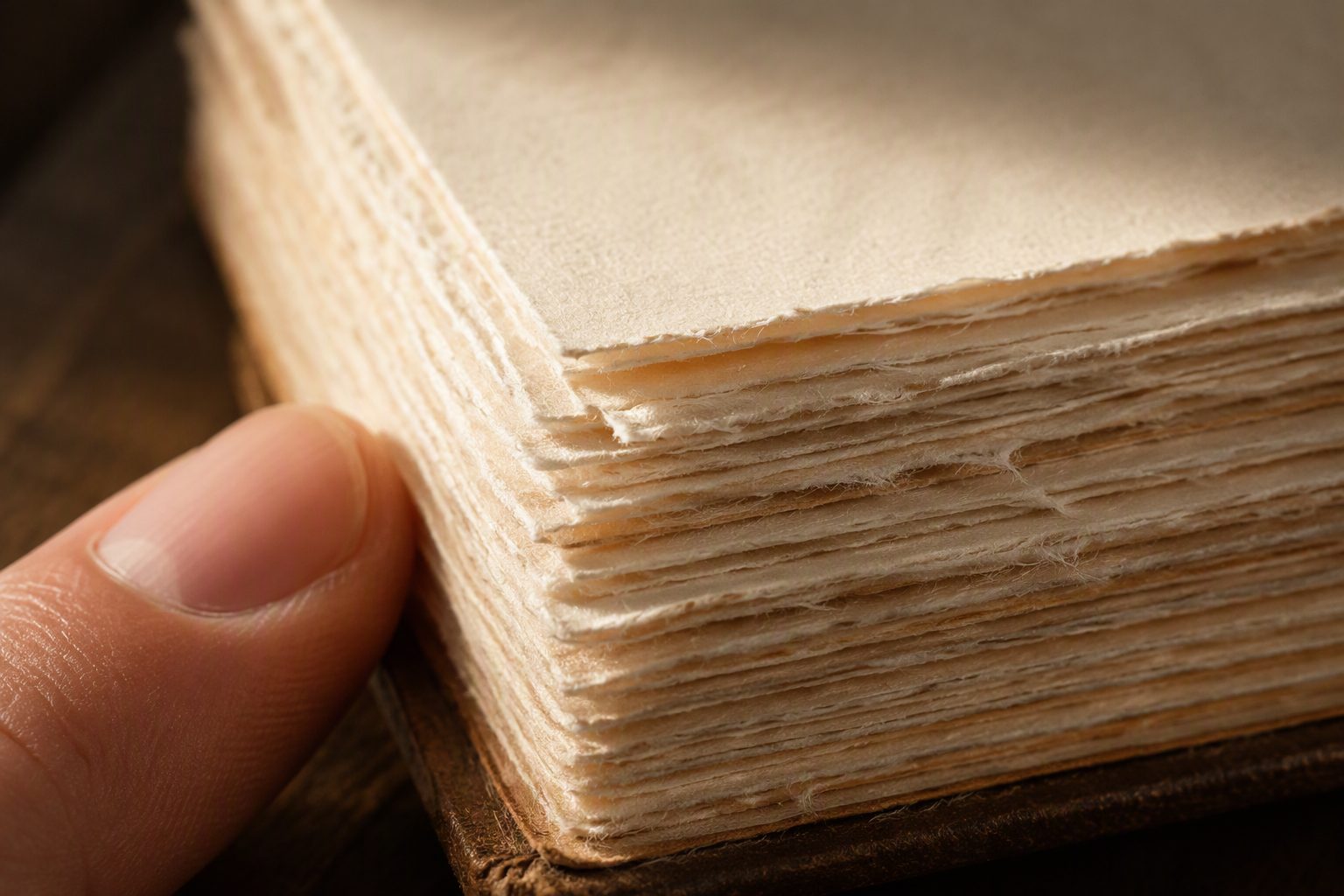
Paper has a grain. In manufacture, the fibres in a sheet of paper align themselves in the direction the paper web travels through the machine — that direction is the grain. It sounds esoteric, but grain direction decides whether your bound book opens beautifully or fights you on every page.
The rule
A book must be bound with the grain running parallel to the spine. When the grain runs the right way, pages flex easily along the fold, the book opens flat, and the spine is not stressed. Bound against the grain, pages resist turning, the book springs shut, and the binding is under constant strain.
Why it bites non-standard formats
Standard A4 portrait documents printed on ordinary A4 stock are almost always fine — the grain of standard A4 paper runs long, which is parallel to the spine of a portrait book.
The problems arrive with:
- A4 landscape theses and portfolios — the grain now runs across the spine unless you specifically order “short-grain” A4.
- A3 art and architecture submissions folded or bound down to size.
- Square or unusual formats where stock is cut from larger sheets in either direction.
What to do
If your thesis or project is not plain A4 portrait, talk to us before you print. Tell your printer the book will be bound and specify grain parallel to the spine — any good printer can source the right stock. Getting it right at the printer costs nothing; discovering it after printing can mean reprinting the whole job.